Poor Wayfaring Stranger, a Revived Pandemic Song

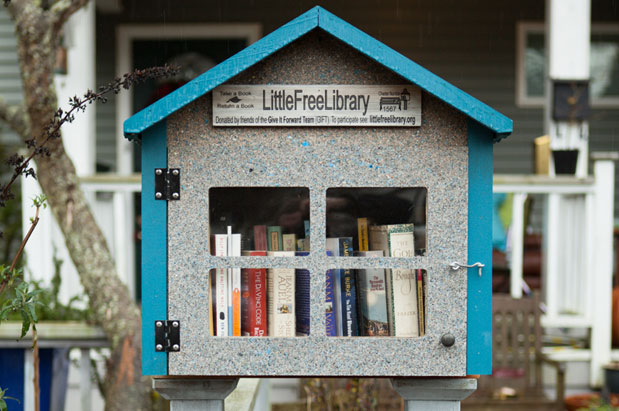
A version of sheet music for “Poor Wayfaring Stranger” came into my possession in 2020 Lockdown, as I was taking yet another neighborhood stroll. (1/10/22 update: download your own sheet music of this song.) I stopped to look at a Little Free Library. I found an unassuming prayer book (whose name I have since forgotten because I’ve returned the book), and in the back of it were songs with notation, hymnal style. As I spent some time learning “Poor Wayfaring Stranger,” I was intrigued by the somber lyrics and the story they told. The struggle of the character in the song felt very relatable (and still does) compared to what the world has been going through in Pandemic Times.
Seattle Harpist
Hidden gems of the LFL

History of the tune “Poor Wayfaring Stranger” comes from Civil War Era American, folk and gospel. It is possible that the song may have traveled to America with a German immigrant and been adopted into early 19th Century American folk singing. It is also possible that, given the time frame and the gospel nature of this tune, that “Poor Wayfaring Stranger” morphed into a Negro Spiritual, as it has a strong Christian message and speaks of a troubled world.

My solo harp version of “Poor Wayfaring Stranger”

Melodically, this folk tune probably traveled by oral tradition, meaning the notation wasn’t written down. The first time words of the song officially show up in America, they were inscribed inside of Libby Prison by a dying Union soldier. For this reason, “Poor Wayfaring Stranger” was also known as “Libby Prison Hymn,” however that name didn’t stick. More commonly, the song is also known as “Wayfaring Stranger,” “The Wayfaring Stranger,” or “I Am a Poor Wayfaring Stranger.” In the 20th Century, this song was recorded by musicians Johnny Cash, Emmylou Harris, Jack White, and Eva Cassidy.

“Poor Wayfaring Stranger” speaks to the trying times of the human spirit on the verge of death. The tune is part Christian hymn, part prayer, part woeful song, part ode to Everyman’s journey,

If we look at the lyrics (which also have nuances like the title), the 1st verse is:

Continue reading “Poor Wayfaring Stranger, a Revived Pandemic Song”
Wild Dreams and New Beginnings

One of my all -time favorite poets, Laurence Ferlinghetti, the great American bard and book publisher, died this spring just shy of his 102nd birthday. From his poem “A Sweet Flying Dream”
We drifted                       
wafted easily
We
flew wingless
Full of air
our hair
Buoyed us
We
trailed our slim legs
In streams of silver air
There
Was nothing
blowing us down
Or away
From each other

We cannot escape one another. Even though we haven’t been able to physically congregate for a year, we also cannot ignore each other. Though we may feel isolated, worried, and fearful as some of the outer world opens up, we are all floating in this unknown realm together. And if indeed we are flying, it brings us levity and sometimes loss of control. At times it might be easier to just let go.

I have wild dreams about what I’d like to see happen next in my life. Partly encouraged by an artist residency at Centrum; partly in response to the pandemic, I sense a new beginning on the horizon. A new chapter of life for us all is imminent. It is here in fact. There is no holding back, so, best fly with the tricks of our highest ability.

Continue reading “Wild Dreams and New Beginnings”

Harp Escape for the Darkest Days

We are in the darkest time of a very challenging year. As we enter this winter season, we celebrate the light within and travel to inward time. Harp Escape taps into an old use of music, used as sound healing for your self care. Sufi mystic, Hazrat Inayat Khan said “The use of music for spiritual attainment and healing of the soul, which was prevalent in ancient times, is not found to the same extent now. Music has been made a pastime…”

Join me on Patreon for Harp Escape’s Meditative audio recordings, sheet music and more. Once a month, I bring you high quality Meditative Harp Music audio recordings (ranging from 25-55 minutes), a Relaxing Music Video from my harp studio and places in nature, and sheet music arrangements. All of this music is recorded intentionally for you to find a relaxing space for meditation and mindful daily ritual, for you to take a break from the demands of your life and breath deeply, while listening to the healing sounds of the harp’s vibrations.

Continue reading “Harp Escape for the Darkest Days”

In Celebration of Poet Crysta Casey

It is Veteran’s Day and I miss my friend Crysta Casey, who was a military journalist, poet, and painter. We met in 2002 at Red Sky Poetry Theatre (Seattle’s longest running open mic series). We were quite different people – she was 25 years my senior, a military veteran, and sufferer of extreme mental health issues – yet we had a very casual and organic friendship that came together quite effortlessly. It was only after her death, did I realize she was also my mentor and artistic advisor.

After the reading that night, Crysta and I talked on the street for a long time. She smoked cigarettes as we realized we shared similar poetic influences (Anne Sexton, Sharon Olds, the Surrealists, and others). We exchanged contacts to meet up and share poems. What started as frequent cafe meet-ups to read/critique each other’s work, eventually turned into a weekly date in Crysta’s Belltown apartment with wine and food and an exchange of books and literary magazines.

Continue reading “In Celebration of Poet Crysta Casey”

Harp Escape vol. 5 (Black Orpheus)

Therapeutic music is an art based on the science of sound. It is typically live acoustic music, played or sung, specifically tailored for a person’s immediate needs. During this pandemic, though my work as a musician has been severely limited in-person, Harp Escape online has blossomed.

Harp Escape

I have created Harp Escape videos (on YouTube) and audio (made available to Patreon supporters) with the major goal of decreasing stress for my listeners in mind. Benefits of soothing music are many, like allowing the body to relax, unwinding tension, and anxiety relief. Music can also and aid in the healing process. Perhaps one of the most fascinating things I have found in studying music for therapeutic purposes, is that it encourages a listener’s breath to deepen and slow. This relaxation has a domino effect and does several things to benefit our body like:

Continue reading “Harp Escape vol. 5 (Black Orpheus)”