Harp Escape vol. 9 (The Dorian Suite)

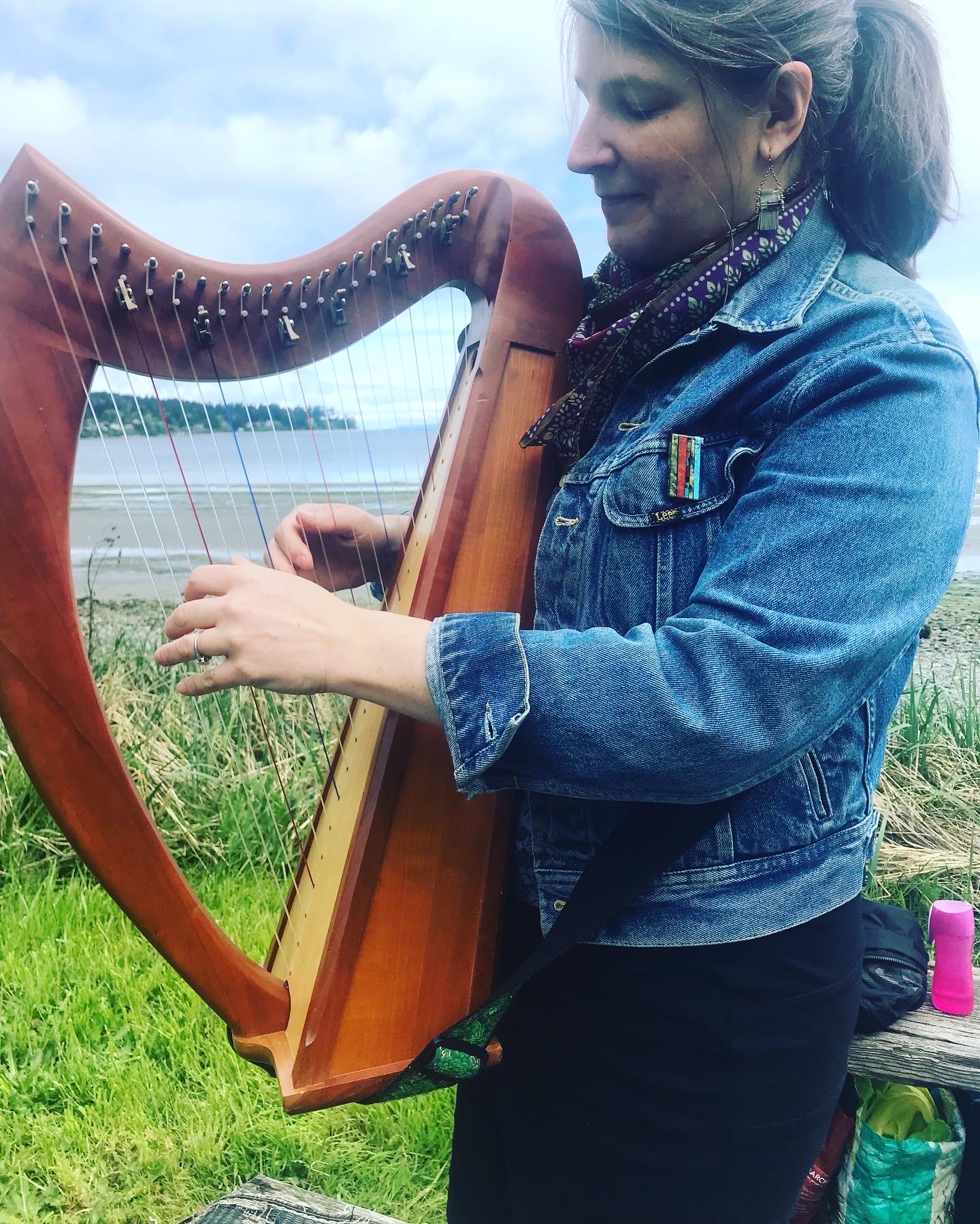
In my YouTube series Harp Escape, vol. 9 features (The Dorian Suite), a song I wrote in honor of my young son. Born in 2017, he was just a toddler when the Pandemic hit, and I wrote this song. At the time I was an artist-in-residence at Nalanda West in Seattle, a Buddhist retreat center. There, I spent hours in quietude composing, meditating, and writing in my journal. (Months before wrote a poem inspired by my new baby, later published in Literary Mama.)

When the world was experiencing early signs of the virus, before lockdown, I was at the Nalanda West a couple days a week. It was a place for me to find peace with the unknown. Any parent with young children can tell you, finding time to oneself is a precious commodity. There are many shifts throughout the day, hour by hour, minute by minute. Music and writing have always been a tool for me to get to a happy place and connect with myself and my place in the world. Through searching, through writing music and words, I was able to find an expression for the time and space of 2020, personally and globally. That is a lot of what this song is about.

This piece has several shifts: from Dorian mode to a relative minor (B minor). The meter, or rhythm, changes back and forth from 4/4 to 3/4 time. This is a musical metaphor for how I felt pulled to and fro, as mom, as musician, as person comfortable in the world, as a person uncomfortable in the world.

Here you can listen to Harp Escape vol. 9 (The Dorian Suite).

Harp Escape vol. 9 (The Dorian Suite)

Sheet music for The Dorian Suite, available now at Sheetmusicdirect.com!
Top 10 Sounds to Heal Your Life

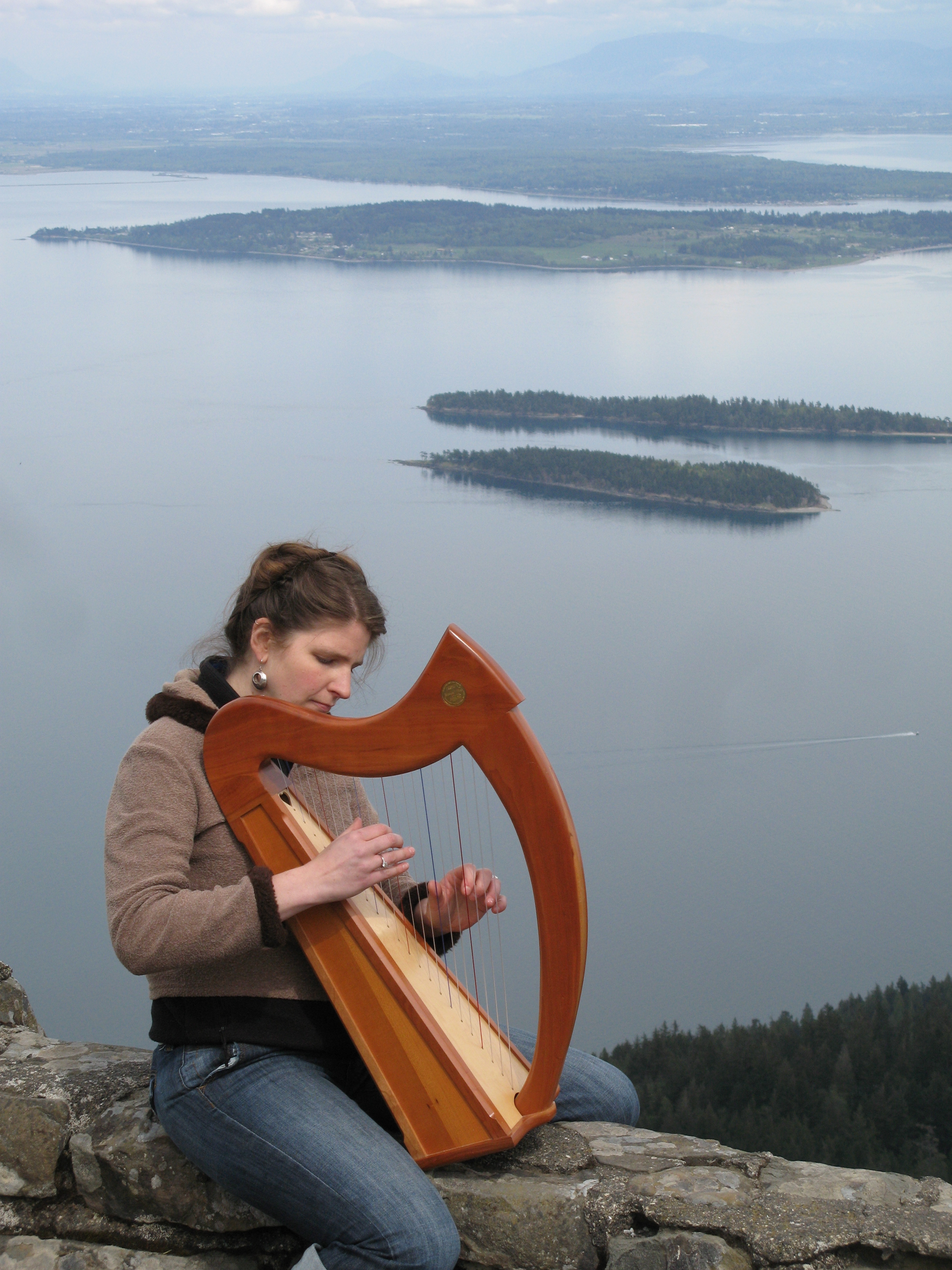
Music can be a tool to aid in healing and relaxation. Relaxing sounds encourage us to deepen our breathing, which in turn can encourage many positive side effects like deepened sleep, decreased anxiety, lower heart rate, and decreased stress. Playing harp music is something I do often as a healing modality for bedside therapy, funerals, rites of passage, and for my children when they are ill or need help falling asleep.

Below are ten ways to use sound and music to improve and heal your life. All of these suggestions include awareness of breath and augmenting of breath. So much of our own wellness is linked to breath.

Music can be a tool to aid in healing and relaxation. Practicing meditation, for example, can be enhanced with music. Relaxing sounds encourage us to deepen our breathing, which in turn can encourage many positive side effects like deepened sleep, decreased anxiety, lower heart rate, and decreased stress.

Seattle Harpist

Below are 10 sounds that can significantly improve and heal your life. All of these suggestions include an awareness and augmentation of breath. So much of our wellness is linked to our breath.

Continue reading “Top 10 Sounds to Heal Your Life”

How to Play The Songs of Hildegard von Bingen

Recently I taught a an online workshop with Atrium Health Foundation called “Improvising with Hildegard von Bingen.” The music is in conjunction with my forthcoming book by Mel Bay Publications, “Songs of Hildegard von Bingen for Harp.” Atrium Health host Kathleen Blackwell-Plank has been curating a valuable workshop series for therapeutic musicians for the past few years. I was asked to teach the class rather last minute as a substitute and was so glad to have participated. After a show of hands, I realized that even in the musical community only half of people know who Hildegard von Bingen is.

So… Who was Hildegard von Bingen?

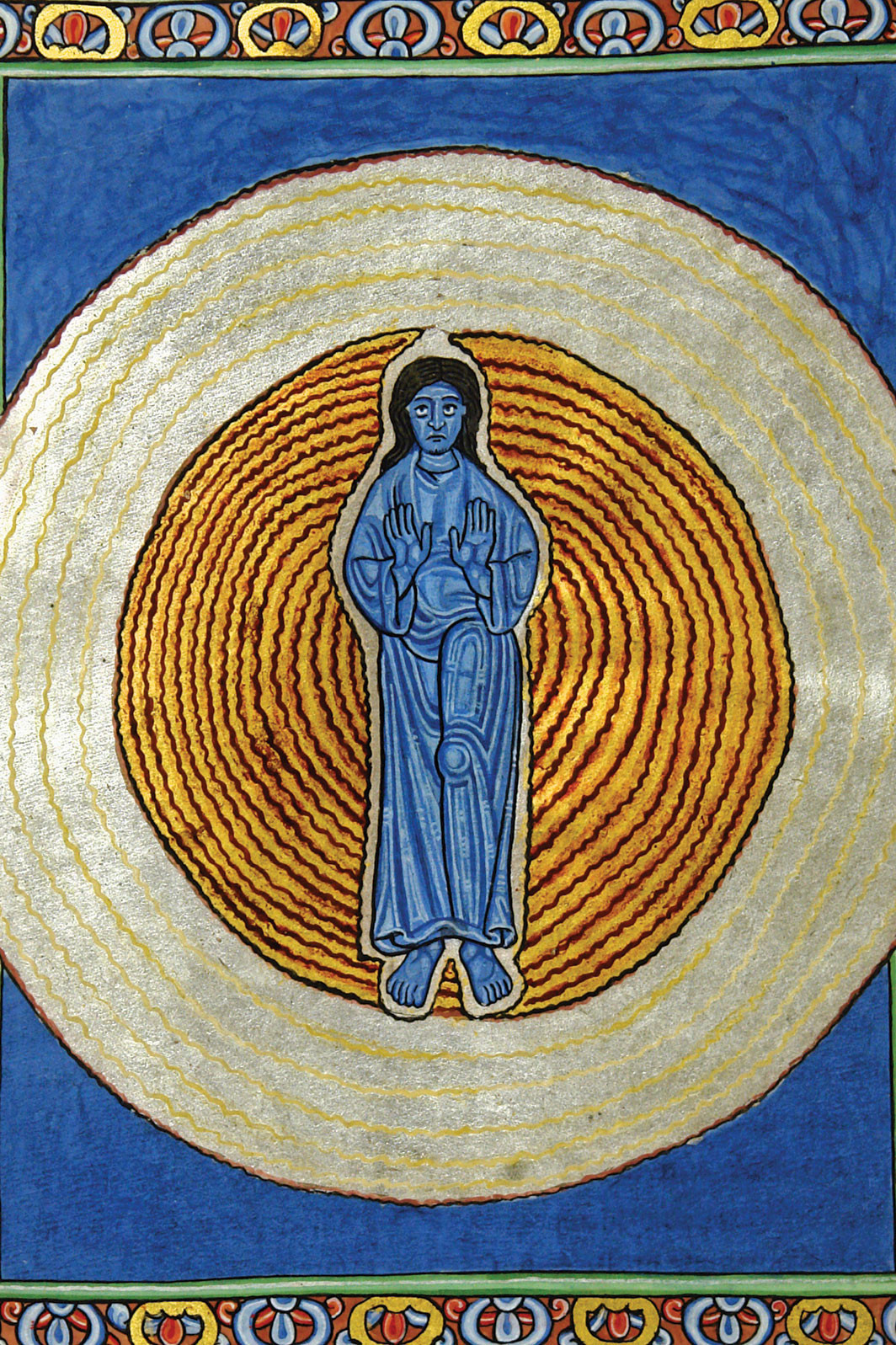
Hildegard Von Bingen art

Hildegard von Bingen (1098-1179) was born in Germany during the Middle Ages, at a time when education and literacy were controlled by the Catholic Church. The tenth child in her family, Hildegard was “given” as a tithing to the church, not an uncommon practice of the time.  When she was 14, she was sent to live a life of religious devotion in Disibodenberg. At the convent, she prayed, wrote, and only had access to the outside world through the view of a single window.

When her main caretaker, Jutta, died in 1136, Hildegard was appointed prioress of the abbey. It was during that time that she began writing music. Despite her claim of lacking formal training in either the Latin language or music, Hildegard produced songs that were equal to those written by the most admired men of the Middle Ages. A woman of letters, she often communicated directly with clergy of the church, including Pope Eugene III, who encouraged her to continue writing music and poetry. She went on to write several books about religion, art, politics, philosophy, science, medicine, and herbs.

Hildegard had visions that she called “reflections of the living light,” and she painted what she saw. She suffered from headaches and some scholars of her writing suspect that she may have She had many visitors at the abbey who claimed that she was able to heal them though touch and with her knowledge of herbal medicine. In time, she had so many visitors, that a larger venue was needed. The church relocated her to an abbey of her own, in Bingen, where she was able to attend to more people. She died there at the age of 81.

What did her music sound like?

Monophonic (single line melody), choral, sung in Latin, modal (most often in Dorian, Phrygian, and Mixolydian modes), natural minor keys, Gregorian Chant

How does this music translate to the harp?

Beautifully! Hildegard’s music is often in modes and have minimal lever changes.      

Continue reading “How to Play The Songs of Hildegard von Bingen”

How To Let Go of Your Judgmental Inner Music Critic

We are not learning music to be perfect. We are learning music to enjoy the process of playing. We are learning music to develop a skill. Let go of judgement! If you are hearing an inner musical critic and it feels like negative judgement, drop it. Let it go. You don’t want to be holding unto so much baggage.

If that seems too easily said, imagine that your fingers are actually holding onto little bags of judgment (from past/current teachers, conductors, peers, recording engineers, yourself, reviewers, parents, friends, neighbors, etc.). Imagine that these little critiques, each in a bag on your fingers, are weighing you down. They are slowing down your playing. That negativity is taking up physical space and you need to free it up!

Question: What if you got rid of that inner music critic? Answer: Your hands would feel the freedom to put your fingers on the actual notes you need to play.

Drop the mental comment section. Close down the critiques that don’t make you a better player. You can throw them away in the trash bin over there. Now, locate the comments that do help – the ones that say “don’t give up,” or “there now – that wasn’t so hard!”

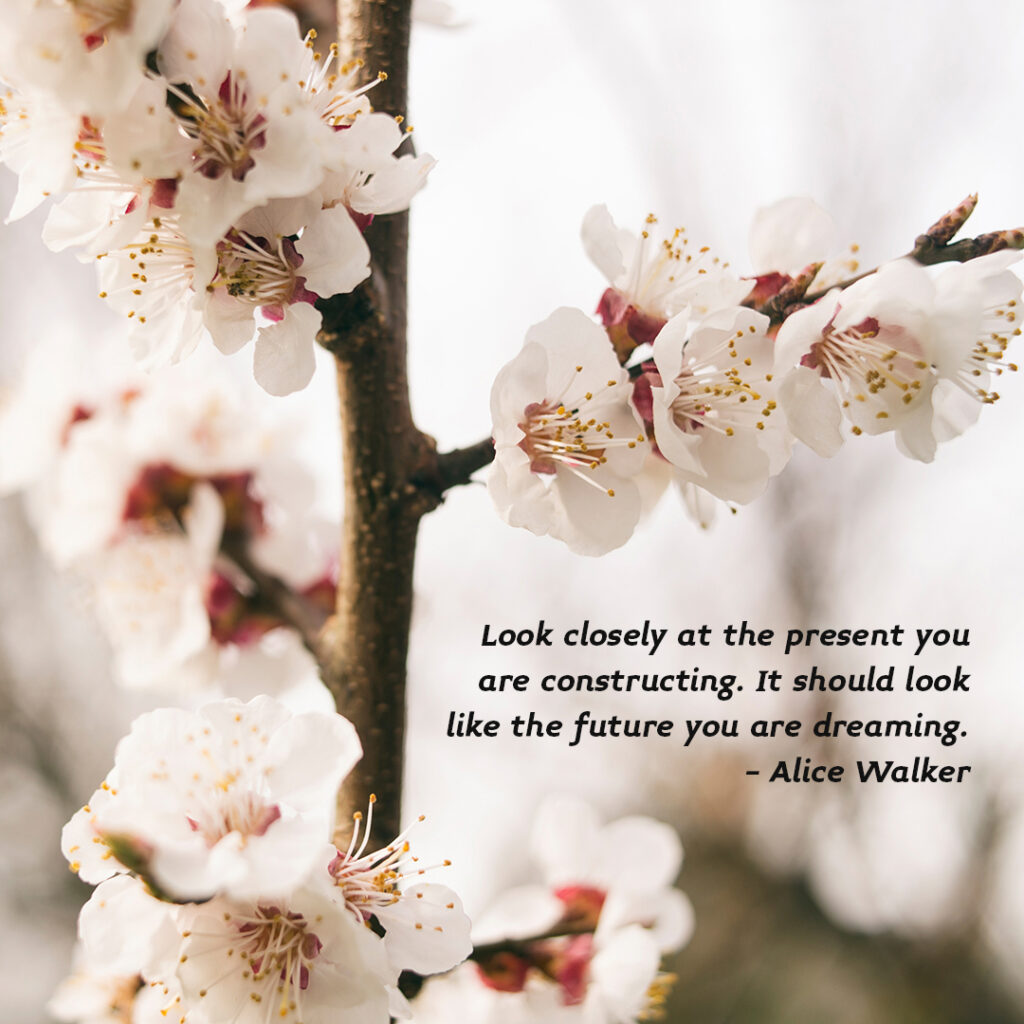
cherry blossoms, Alice Walker quote, miners gold

You can keep the helpful comments, but put them in a safe place at a distance, like picture in a frame. Remember, you want to feel lighter. You want to free up your fingers to do the playing that you were called to do in the first place.

You have work to do. Your work is playful and exploratory.

You are practicing the process of showing up and being ready to play music. Playing music is not about perfection, so much as the journey you take to a place where the playing feels good! This is the work you love to do. By freeing your fingers, you are already doing what you need to do. Now, you are ready to practice!

Two Harp Workshops in October

I’m excited to offer two in person workshops coming up in October at Dusty Strings Music School in Seattle (Fremont). Both of these group classes are for the beginner to intermediate harpist.

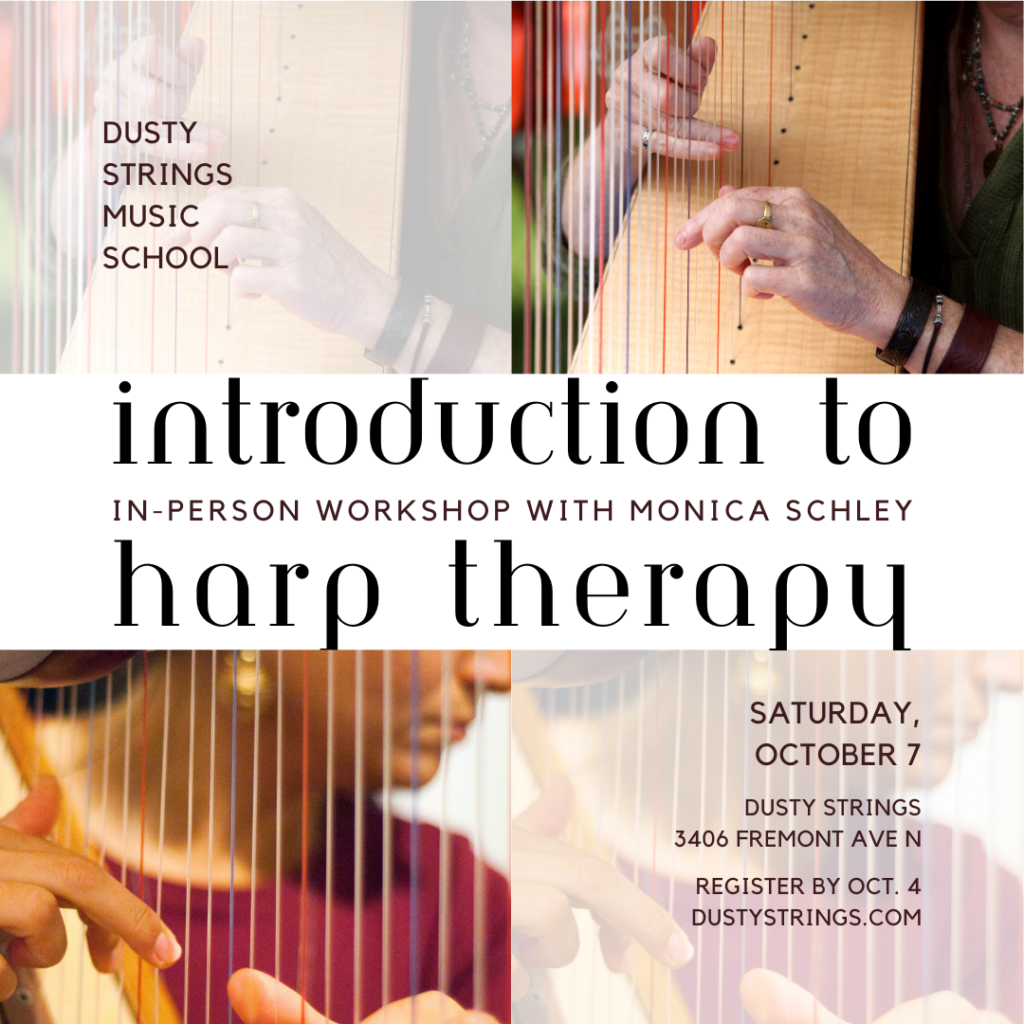
Sat, Oct 7 – Introduction to Harp Therapy
More and more, harpists are lending their hearts and talents to playing healing music, as well as seeking certification to play at the bedside from accredited programs recognized by the National Standards Board of Therapeutic Musicians. In this class, you’ll explore effective styles, modes, and songs to benefit your repertoire, as well as what kind of training you’ll need to play music in health-care facilities.

Skills Needed: For the advanced beginner to intermediate-level player. You should have base of songs you know and a desire to learn new styles for therapy harp. This workshop is designed for those new to therapeutic harp, as well as those in certification programs. It does not certify you to play music at the bedside, but you will learn tools from a Certified Clinical Musician and gain access to references and resources to enrich your harp therapy journey.

Seattle Harpist

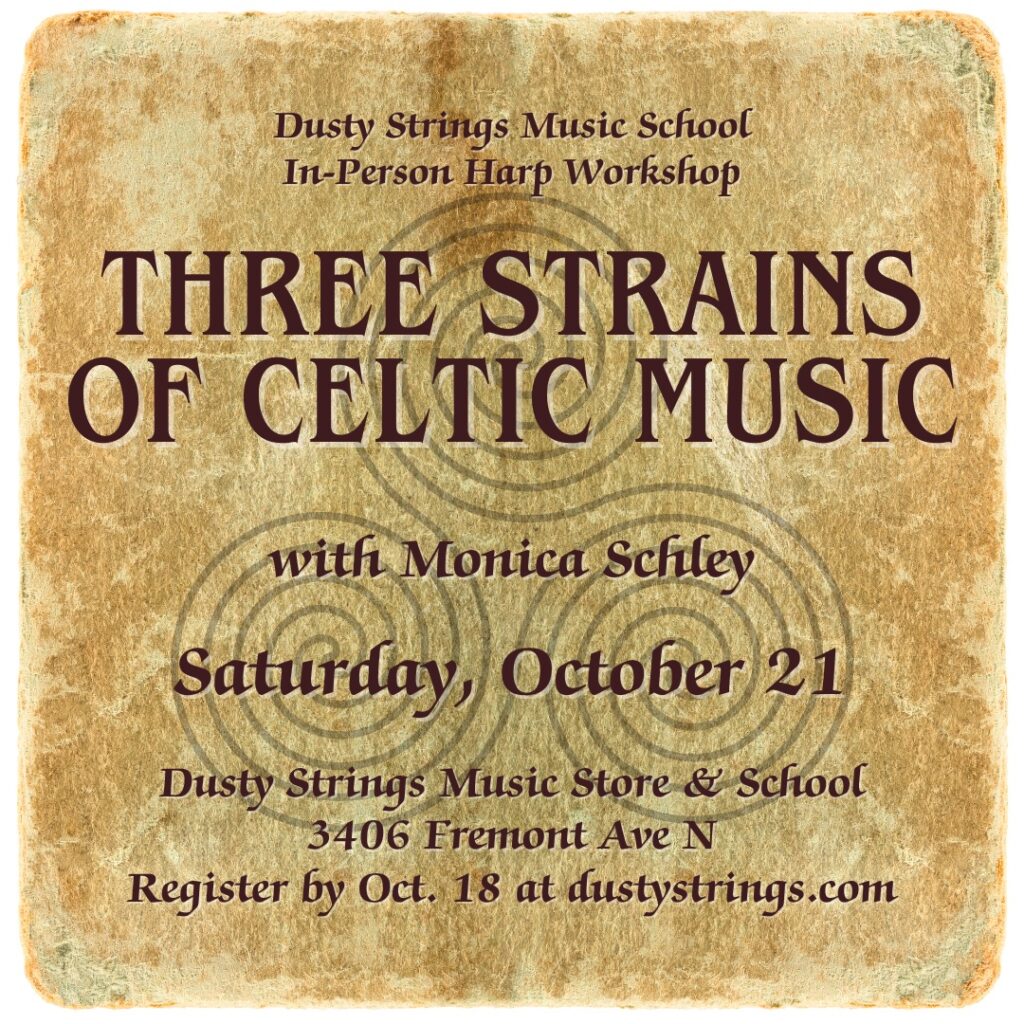
Sat, Oct 21 – Three Celtic Strains
Join this class for a fun, creative approach to learning more about harp! Irish music tradition recognizes Three Noble Strains, or styles, of playing harp—joy, sorry, and sleep. In this workshop, you’ll learn what these strains are, what they mean, and how to apply them to harp music. You’ll participate in a Celtic Circle of Song, which focuses on chord progressions and playing freely, and add new tunes to your repertoire.

Skills Needed: For the advanced beginner to intermediate-level player. You should have base of songs you know and a desire to broaden your musicality. You do not need to know how to read music, though knowledge of chord charts and some notation is handy.

Seattle Harpist
Seattle Harpist